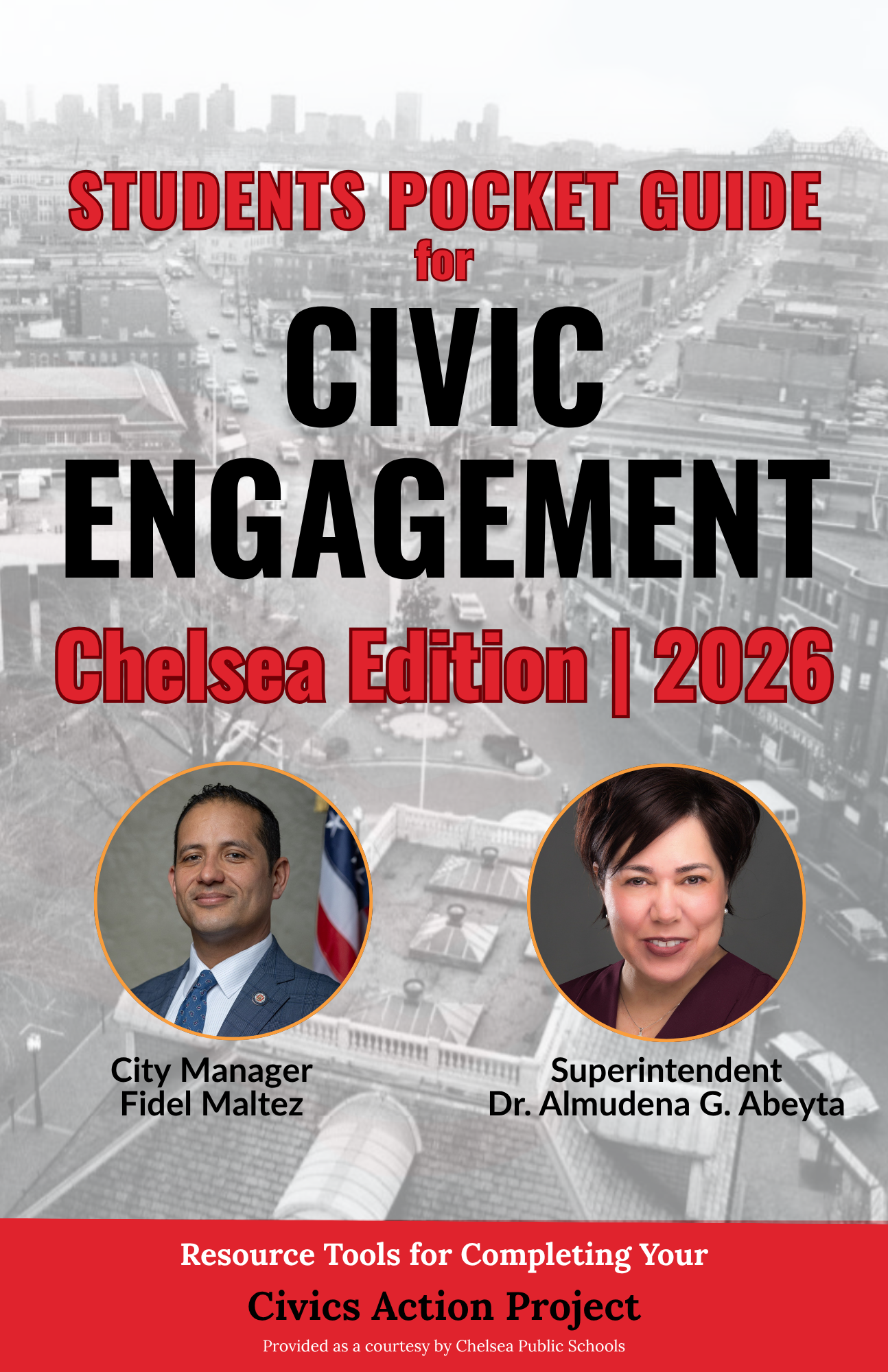
Chelsea, Massachusetts
History
One of the oldest cities in Massachusetts, Chelsea has been shaped by four centuries of immigration, industry, fire, fiscal crisis, and remarkable recovery, from its origins as Winnisimmet through two catastrophic fires, state receivership, and emergence as one of Massachusetts’s most diverse communities.
Origins: Winnisimmet
The land that is now Chelsea was home to the Naumkeag people for thousands of years before European contact. They called this place Winnisimmet, believed to mean “swamp hill” in the Massachusett language, a name that reflects the area’s geography along the Mystic River and Chelsea Creek.
English settlement began in 1624, making Chelsea the fifth-oldest colonial settlement in Massachusetts. The area was initially part of Boston, but residents sought greater self-governance and, in 1739, Chelsea was incorporated as an independent town. As the city’s population grew, neighboring communities eventually separated: Revere (formerly North Chelsea) became its own city in 1871.
Chelsea was incorporated as a city on April 28, 1857. Its waterfront location made it an important hub for trade, shipbuilding, and industry throughout the 19th century, with lumberyards, metalworks, and paint companies lining Marginal Street along the Chelsea River.
Immigration and Industry
Chelsea’s population grew rapidly in the late 19th and early 20th centuries, driven by waves of immigration. Eastern European Jewish immigrants arrived in large numbers from the 1880s through the 1920s, and Chelsea became one of the most significant Jewish communities in New England, at its peak, home to dozens of synagogues, Jewish businesses, and cultural organizations. By 1919, Chelsea’s population had reached its all-time peak of 52,662, with foreign-born residents comprising 46 percent of the population.
The waterfront flourished as a center of maritime trade and manufacturing. The New England Produce Center, still operating today on Everett Avenue, became one of the largest wholesale produce markets in the Northeast, a testament to Chelsea’s enduring role in regional food supply chains.
The Great Fire of 1908
On April 12, 1908, a fire broke out in Chelsea’s “rag shop district”, a dense commercial area filled with junk shops, scrap dealers, and combustible materials. Driven by high winds, the blaze spread with terrifying speed through Chelsea’s tightly packed wood-frame buildings. By the time firefighters from across the region brought the fire under control, it had burned roughly half the city, destroying more than 3,500 structures and leaving approximately 17,000 people homeless.
The Great Chelsea Fire of 1908 was one of the most destructive urban fires in American history. The city rebuilt rapidly, largely in brick, and the reconstruction brought significant investment and a renewed civic identity. Many of the brick commercial buildings that define Chelsea’s downtown today date from this post-fire rebuilding era.
Decline and the Second Great Fire
After World War II, Chelsea entered a period of sustained population loss. Between 1940 and 1980, the city’s population declined by 38 percent, more than most comparable Massachusetts cities. A major cause was the construction of the elevated Northeast Expressway (now Route 1) in the 1950s, which sliced through Chelsea’s neighborhoods, displacing hundreds of homes and small businesses and cutting the city in two. As established families and businesses moved to the suburbs, Chelsea’s tax base eroded even as the cost of city services did not.
In August 1973, disaster struck again. A second major fire, originating again in the rag shop district, burned 18 city blocks in what became known as the Second Great Chelsea Fire. More than 1,000 families were displaced. The fire was a devastating blow to a city already struggling economically, and it accelerated the cycle of disinvestment.
State Receivership and New Charter
By 1990, Chelsea had collapsed economically. Crime was widespread, city government had been rocked by corruption, and the tax base was unable to support basic services. In 1991, Chelsea became the first Massachusetts city since the Great Depression to enter state financial receivership, surrendering home rule as the Commonwealth enacted special legislation to appoint a state receiver to control city operations.
The receivership lasted until 1995. Under state oversight, Chelsea’s budget deficit was eliminated, its bond rating was restored, and a new city charter was adopted. That charter replaced the old mayor-alderman system with a council-manager form of government, the structure Chelsea uses today. In 1995, as local control was restored, Chelsea was named an All-America City, a symbolic rebirth that acknowledged the community’s resilience.
Immigration Renewal and Chelsea Today
From the 1980s onward, Chelsea’s population was reshaped by new waves of immigration, primarily from Central America, El Salvador, Guatemala, Honduras, and Mexico, and from Southeast Asia, East Africa, and beyond. Today, Chelsea’s Hispanic and Latino community represents approximately 65 percent of the city’s population, making it one of the most Latino cities in Massachusetts.
Newcomers have rebuilt Chelsea from the ground up, opening small businesses along Broadway, founding community organizations, and bringing vitality to neighborhoods that had been hollowing out for decades.
Forbes Park
A 17-acre mixed-use waterfront development on the Chelsea River, a former industrial site redeveloped into housing and commercial space as part of Chelsea’s 2000s urban renewal.
La Colaborativa
A Chelsea-based nonprofit empowering Latinx immigrants, with roots in the community’s early immigrant organizing. A cornerstone of Chelsea’s community infrastructure.
GreenRoots
A women-led, resident-led environmental justice organization founded in Chelsea, fighting for cleaner air, waterfront access, and climate resilience in one of New England’s most industrialized communities.
Chelsea today holds the third-highest level of affordable housing in Massachusetts and continues working through challenges including school funding, climate vulnerability, and housing costs. In 2025, the city competed for a third All-America City Award, a recognition of what Chelsea has accomplished through four centuries of reinvention.
Sources: Wikipedia, Chelsea, Massachusetts · City of Chelsea · Chelsea Public Library Digital Collections